
Why Where Our Paper is Made Matters
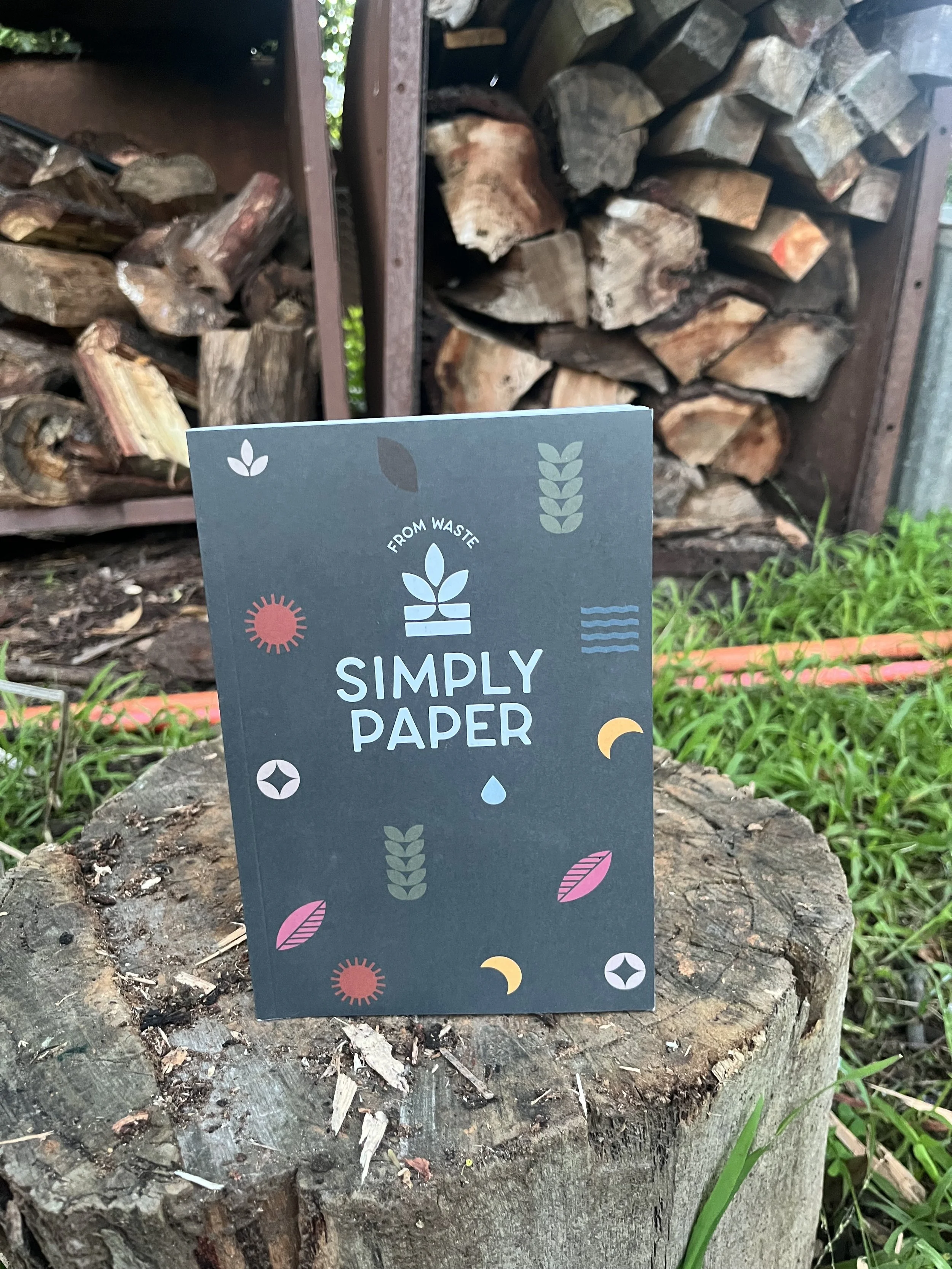
When we talk about Simply Paper, we often talk about what makes the paper different: it is made from agricultural waste rather than trees, it helps give a second life to a material that would otherwise go to waste, and it offers a more sustainable alternative to conventional paper.
In saying this, sustainability is about more than just what a product is made from. It is also about where it is made, how it is made and who is involved in making it. That is something we think is really important when it comes to choosing paper.
Made close to where the waste is produced
Simply Paper is made in India, close to the sugarcane-growing regions where the agricultural waste used to make our paper is produced. Our paper is made using sugarcane bagasse, the fibrous material left behind after sugarcane has been processed. Instead of this material simply becoming waste, it can be transformed into a useful product, paper.
Rather than transporting raw materials long distances before they even reach the mill, our manufacturing process takes place close to the farming regions where the sugarcane is grown. This helps reduce unnecessary transportation and the emissions associated with moving raw materials over long distances. Once the paper has been produced, it is then shipped directly to us.
For us, this is an important part of the bigger picture. We aren't just looking at the finished ream of paper, we are considering the journey it takes to get there.
Turning agricultural waste into something useful
We love the fact that this process is genuinely innovative.
Sugarcane is grown for food production, but a large amount of the plant isn't used for that purpose. Sugarcane bagasse is one of the by-products left behind after the juice has been extracted. Our mill has developed a process that takes this agricultural waste and turns it into high-quality paper. It is a great example of a circular approach to manufacturing; taking something that would otherwise be considered waste and finding another valuable use for it.
By sourcing the agricultural waste locally, the process also supports the farming regions surrounding the mill. Instead of treating agricultural by-products as something with little value, they become part of another supply chain and another useful product.
We also care about who makes our paper
Sustainability isn't only about environmental impact. It is also about the people, communities and businesses involved in producing a product. The mill that makes Simply Paper is B Corp certified, which is something that was important to us when choosing who we work with. The B Corp certification assesses businesses against standards relating to areas such as social and environmental performance, accountability and transparency. For us, this provides another level of confidence in the people behind our paper.
We want to know that our product isn't simply being marketed as a sustainable alternative, we want to feel confident that the people producing it are being held to high ethical and social standards as well.
Of course, no product has zero environmental impact. There is always a journey involved in manufacturing, transporting and distributing a product, but we believe that understanding that journey allows us to make better decisions.
What about Australian-made paper?
One question we are often asked is:
"Is your paper made in Australia?"
The answer is no. We think it's important to be transparent about that. Following the closure of the Maryvale paper mill in Victoria in 2023, Australia no longer has a large-scale manufacturer producing the type of printing and office paper that most businesses and schools use.
There are still Australian paper products and manufacturing operations, particularly around recycled packaging and paperboard, but conventional office and printing paper is no longer being produced in Australia at the scale it once was.
This means businesses looking for printing paper generally need to source it internationally, whether that paper is made from wood pulp, recycled fibre or alternative materials.
So the question isn't simply "Is this paper Australian-made?"
It is also worth asking:
Where is it made? What is it made from? Where does the raw material come from? How is it produced? Who is producing it?
We started Simply Paper because we wanted to offer a sustainable alternative to conventional paper, but we also wanted to be thoughtful about the entire supply chain.
Our paper is made close to the agricultural waste used to produce it.
It gives sugarcane bagasse another purpose.
It supports manufacturing in farming regions.
It is produced by a B Corp certified mill.
Once manufactured, the finished paper is shipped directly to us.
Choosing a more sustainable product isn't always as simple as looking for a particular logo or certification. Sometimes it means asking more questions and looking a little deeper into how a product is actually made.
That's exactly what we've tried to do with Simply Paper.
We believe it's about understanding the whole journey, from the sugarcane fields to the ream of paper sitting on your desk.
References